
A history of talking birds – 25 years and over and out

Way back when I first got really into birds as a teenager in the 1970’s it was hard to come by up to date news on bird sightings, hard to believe now given the almost instant communication of the digital worid. My first memory of actively seeking “bird news” was to read the RSPB members magazine, still called Birds in those days, no one would have dreamed that it would be re-branded Natures Home, but that’s another blog! In those far off days the magazine contained a section covering news from the reserves which often listed unusual birds encountered on the RSPB’s sites. This was always the first section of the publication I turned to and devoured the words telling of rare and scarce birds seen. Of course this “news” was months old by the time the magazine dropped through the letter box yet it was still a thrill to read of a Pectoral Sandpiper seen at Minsmere in Suffolk!
I slowly began to meet other local birders here in North Wales and would occasionally receive a phone call about an unusual bird that had been sighted in the area, but the call was rarer than the birds involved, I was frustrated!
In 1978, still in my teens, I got a job as a National Trust warden at Blakeney Point on the North Norfolk coast, at that time the nearby village of Cley-next-the-sea was known as the mecca of birdwatching, and I was very excited to be heading east!

My job out on the point was a lot tougher than I had imagined, the head warden, Ted Eales, was a bully of a boss, indeed, he seemed to think assistant wardens were his personal slaves rather than employees of the National Trust! As a wet behind the ears teenager I knew no better than to shut up and make the best of it. Ted would have us restoring his own personal ferry boats much of the time, nothing to do with the National Trust what so ever and even made us get up at dawn to go out and raid lobster/crab pots off the coast to steal the fishermans catch! He was a real character shall we say. One thing Ted really got annoyed about was me looking for or at scarce birds, yes hard to beleive on a nature reserve! Ted described birders as “gull worriers” and often said he would shoot the lot if he had his way, nice! I remember getting one the many telling offs for birding when I dashed out of the kitchen to marvel at an Osprey being mobbed by gulls over the point, they were rare birds in 1978.
I had one day off a week during my time at Blakeney Point and without fail I was up early and walking east the three and a half miles along the shingle beach to Cley Norfolk Wildlife Trust Reserve. Here I could watch birds without ridicule and meet other like-minded people, a real joy after a week of Ted! At that time the warden at Cley was Billy Bishop, the father of the current warden Bernard Bishop. Billy was in the same mold as Ted an old countryman more akin to a gamekeeper than a modern day nature reserve manager but Billy was friendly and though he did not understand birding he knew people enjoyed it! In return for picking up litter around the reserve Billy allowed me free access to the hides, imagine my excitment at having access to THE best birding site in the UK, even if it was just once a week!
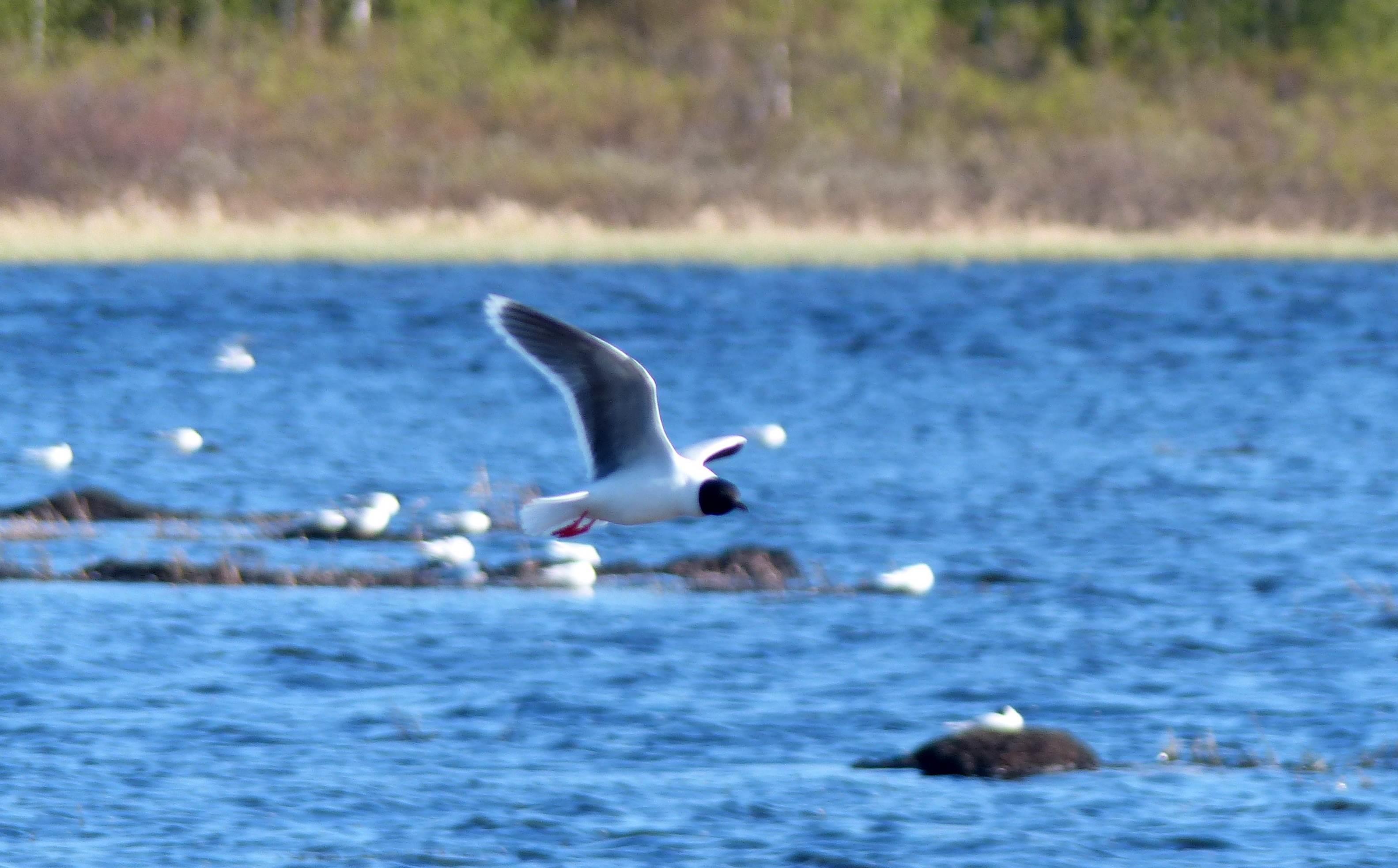
I enjoyed see amazing birds at Cley, nothing very rare, sadly 1978 was to prove a poor year on the Norfolk coast for migrants and rarities, just my luck. But as a teenage birder I was just loving being at Cley and sitting in the hides and soaking up information from the likes of Brian Bland and Peter Grant, my days off could not come quick enough. My first ever Little Gulls dip-fed over the lagoons, stunning adults on a sunny May morning, a gorgous tiny female Red-necked Phalarope span in front of Dauwkes Hide, magical. Birds such as Bittern, Marsh Harrier and Avocet were much, much raerer in those days and I was, and still am, thrilled to watch them for hours.
In the village of Cley was a small end of terrace house, near the Cley windmill, a sign on the wall by the door read “Nancy’s”. This little cafe was the nerve centre of British birding at that time, as you walked up the garden path a familiar sound always greeted you, the ringing of the telephone! It never stopped, never. If you went to Nancy’s, and every birder did, you took your turn to sit just inside the door and answer the phone, it wasn’t difficult you knew what the caller would say, “Anything about mate?” and you then read out the latest sightings from the bird log kept next to the phone. Just occasionally someone would phone in with news of a rarity seen in Cornwall or perhaps at Spurn Point in Yorkshire and a buzz of excitment went round the birder packed tables, who was up for the drive and how many others could fit in the car? Great days.
The number of people calling Nancy’s was growing by the day and it was obvious that something was needed to feed the growing army of twitchers with up to date information. Ringing a private number that was availible only during cafe hours and that was basiclly always engaged was not good enough! This lead to the creation of “Birdline”. A small group of mostly Norfolk birders including Roy Robinson, Steve Gantllet, Richard Millington and Lee Evans set up an automated service that could be called by multiple callers 24 hours a day, twitchers were in heaven! News of a rare bird being found was now availible to all, well if you had access to a phone, no mobiles of course in those days! Every twitcher now carried an extra piece of essential birding kit, pockets full of change to pump into red phone boxes to ensure they had the latest info. Some twitchers just could not pass a phone so desperate for news of a mega rarity were they. You often listened only to the first few seconds of the message knowing a new “mega bird” would be top of the news. Of course the twitchers paranoia would almost immediately kick in and the need to call again soon took over, you never knew when the news of the next “big one” would be announced, mad!
Soon after Birdline came a new magazine “Twitching” which was launched by the same team and it was just what twitchers wanted, accounts of finding and twitching rare birds throughout the UK. It was in Twitching that I read of a new idea – Regional Birdlines – and an appeal for people who might like to join the Birdline team to run these regional information sevices. As someone who regularly contributed to news featured on Birdline I phoned and offered to join in. A meeting with Steve Gantllet on the Isles of Scilly, where else, sealed the deal and I was part of the team that was to cover North West England and North Wales. The other members of the team were Ted Abraham from the Wirral, John Gregory from Cheshire and Pete Berry from Manchester. That was over 25 years ago!
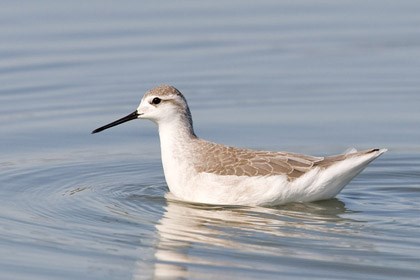
Wilson’s Phalarope, Conwy Estuary, first rare bird mentioned on Birdline North West – negative news! After three months the bird left on the eve of the lauch of Birdline NW, amazing it lasted 25 years after that start!
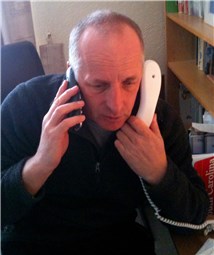
Some days there was so much news coming in one phone wasn’t enough!
The regional birdlines, which covered the whole of the Uk, were set up to provide news on scarce or locally rare birds that were being reported far to often to be covered by the National Birdline. Birds such as Mediterranean Gulls, much rarer then than today, Red-necked Grebes or Yellow-browed Warblers, good local birds but not rare enough for hard core twicthers to chase. Birdline North West and latter Birdline Wales became a daily part of my life for 25 years, thousands and thousands of pre-record messages giving the latest bird information from the region, each message starting “Welcome to Birdline North West/Wales…” It will be very strange now that we have decided to pull the plug on Birdline North West and Wales not doing those daily up dates. After all those years of giving details of which birds are where via a 24 hours a day recorded message. This technology is now rather out dated. With the digital age there are so many ways that birders can hear about bird sightings, websites, news straight to your mobile phone etc. It has been great fun to be involved in the spread of bird information and through Birdline I was have made many great friends. Of course I will still keep in touch with the very latest bird news and keep in touch with the net work of birders across our region. I will also still be phoning in any good birds that I may be lucky enough to find to Rare Bird Alert, the new Birdline for modern day birders! Check out their website here….
[url]http://www.rarebirdalert.co.uk/v2/Content/index.aspx[/url]
Some new dates for guided birswatching trips in addition to those shown here on the website. Best of North Wales £70 per person per day….
[b]Monday 22nd September 2014[/b]
[b]Tuesday 23rd September 2014[/b]
Please email us for more details on either of these days, we would you to join us on these bird filled days.